

Research360 Africa · Field research operations
Data Collection Handbook
Country-by-country field network profiles: field teams, coverage and languages, research methods and quality assurance.
Locally organised field teams, centrally overseen
Research360 Africa supports quantitative and qualitative data collection through locally organised field teams, country coordination arrangements and central project oversight. This handbook presents the field-network profiles for 20 African countries, including personnel categories, locations, languages, research methods and field-management capabilities used to plan multi-location assignments.
How teams are mobilised
Country teams are mobilised according to project scope, sample distribution, field locations, language requirements and operating conditions.
Field quality assurance
Interviewer briefing and training, digital data capture, supervisor review, respondent back-checking, discrepancy resolution and secure handling of project information.
Country profiles
Click a country to open its profile, or filter by region.
 PROFILE 01
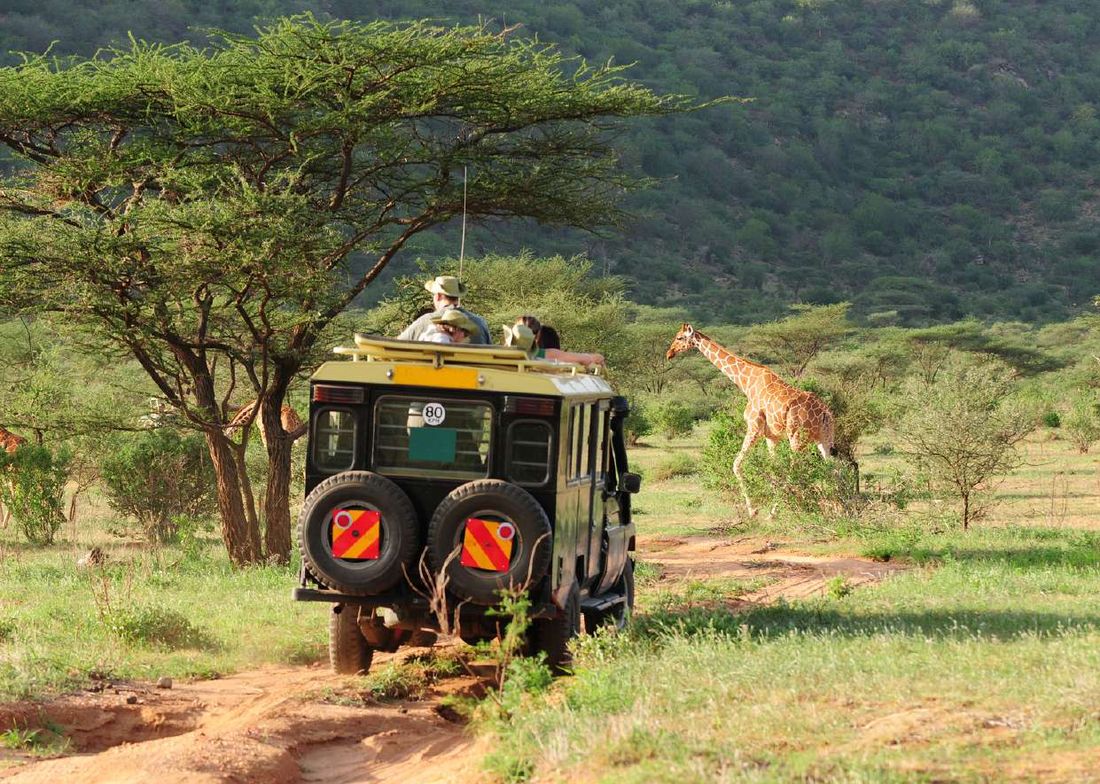
Kenya
East Africa100 listed field roles · 75 interviewers PROFILE 02
South Africa
Southern Africa66 listed field roles · 48 interviewers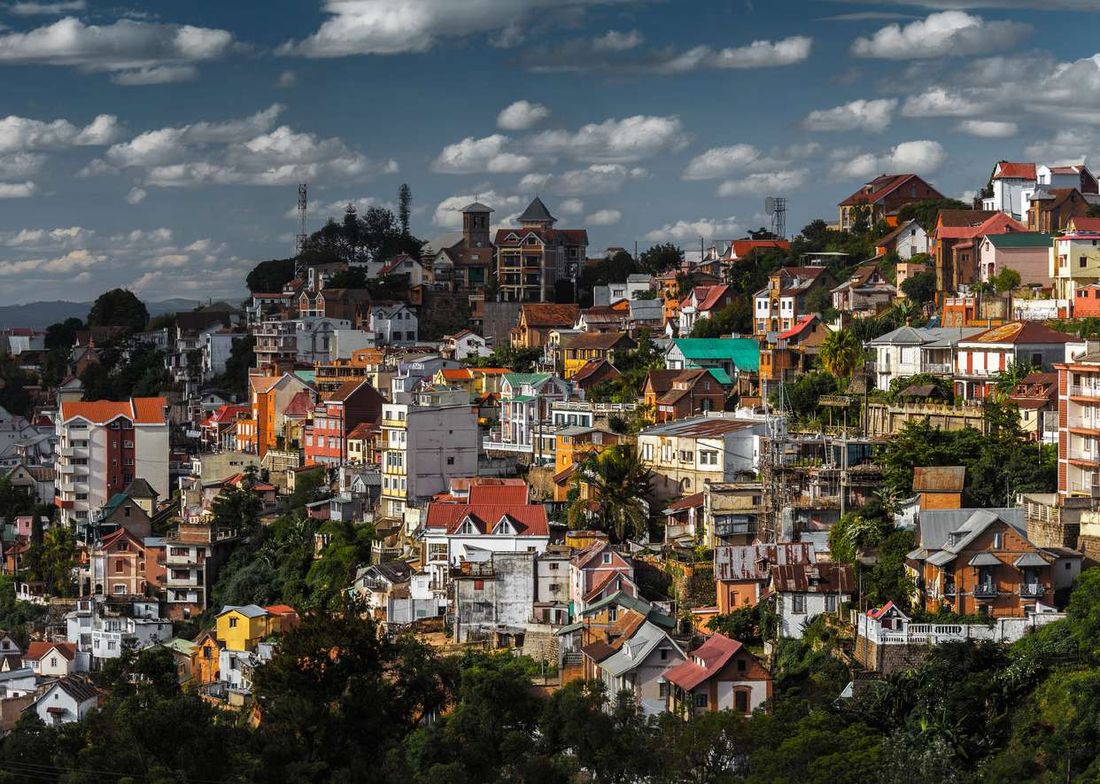 PROFILE 03
Madagascar
Indian Ocean60 listed field roles · 40 interviewers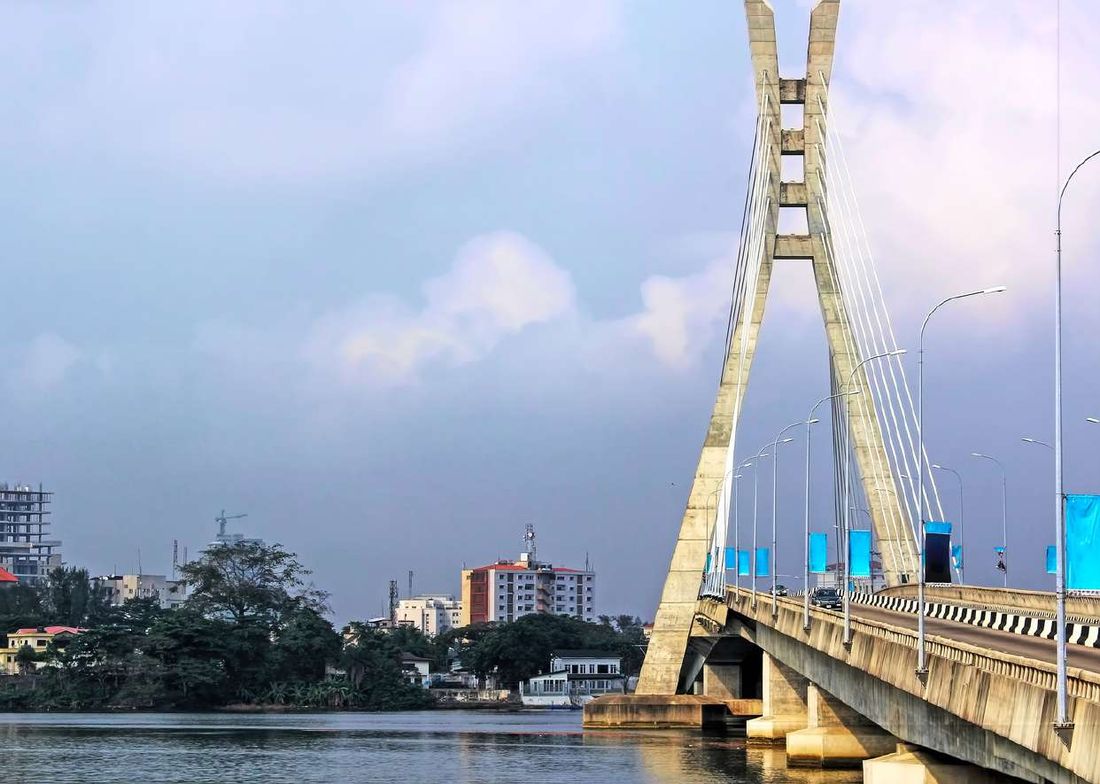 PROFILE 04
Nigeria
West Africa79 listed field roles · 50 interviewers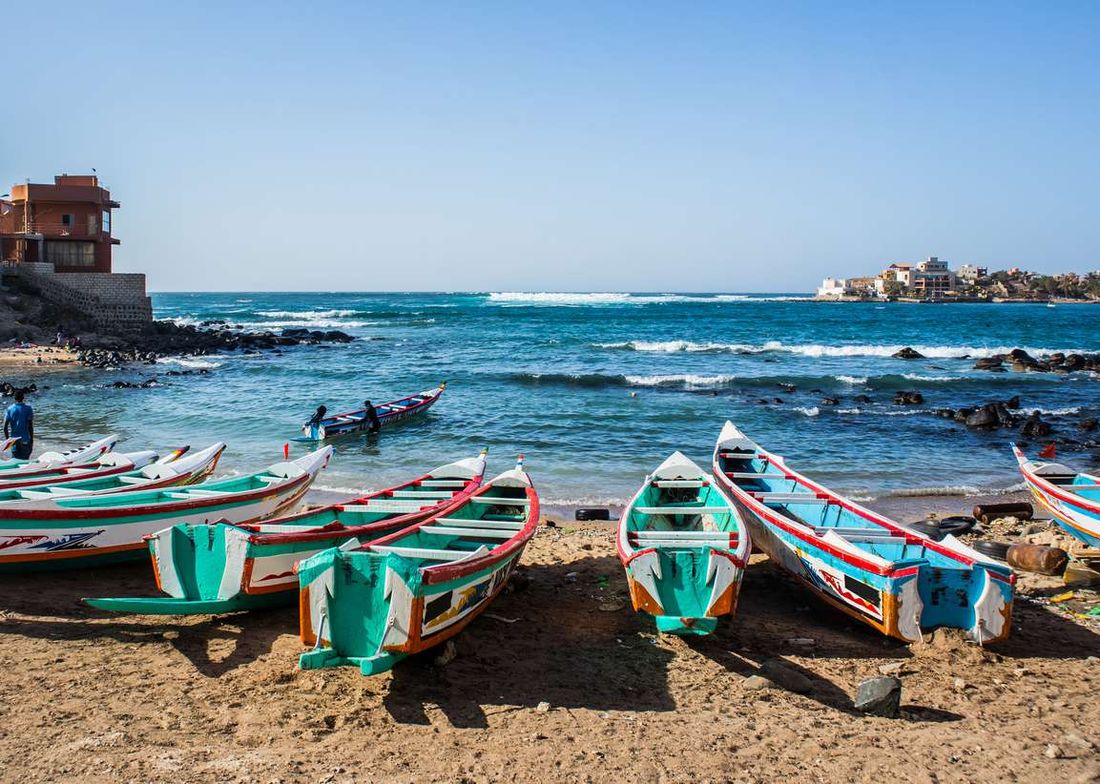 PROFILE 05
Senegal
West Africa42 listed field roles · 25 interviewers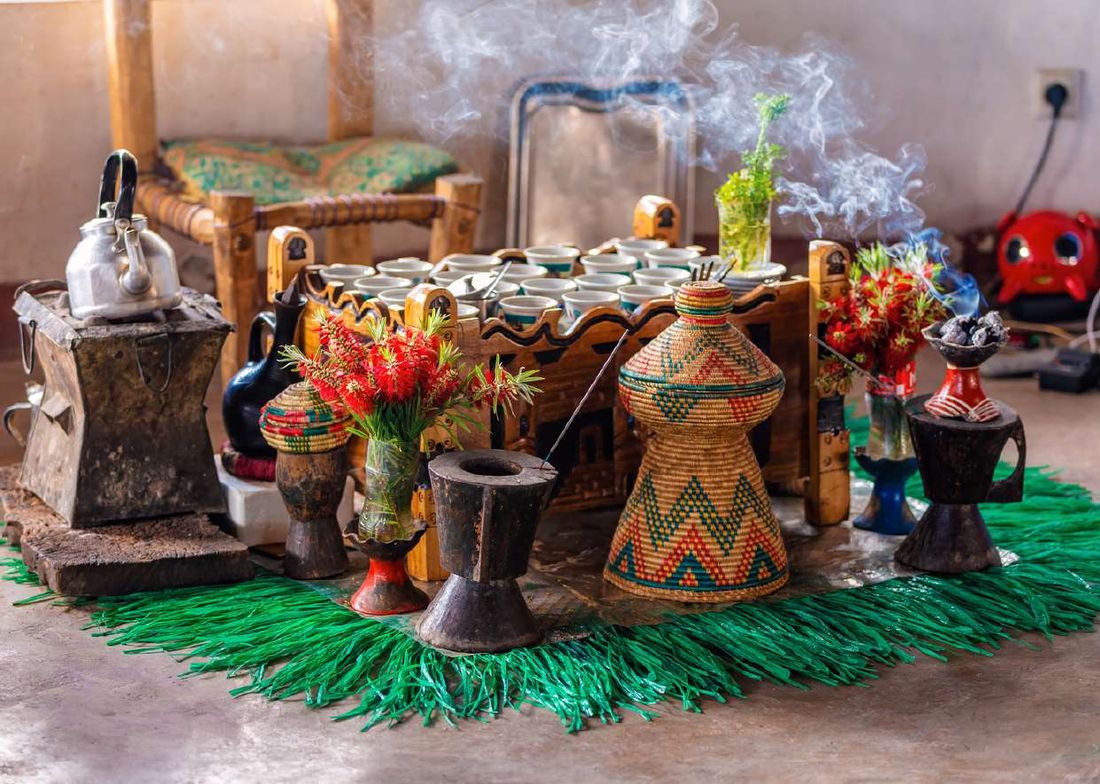 PROFILE 06
Ethiopia
East Africa66 listed field roles · 34 interviewers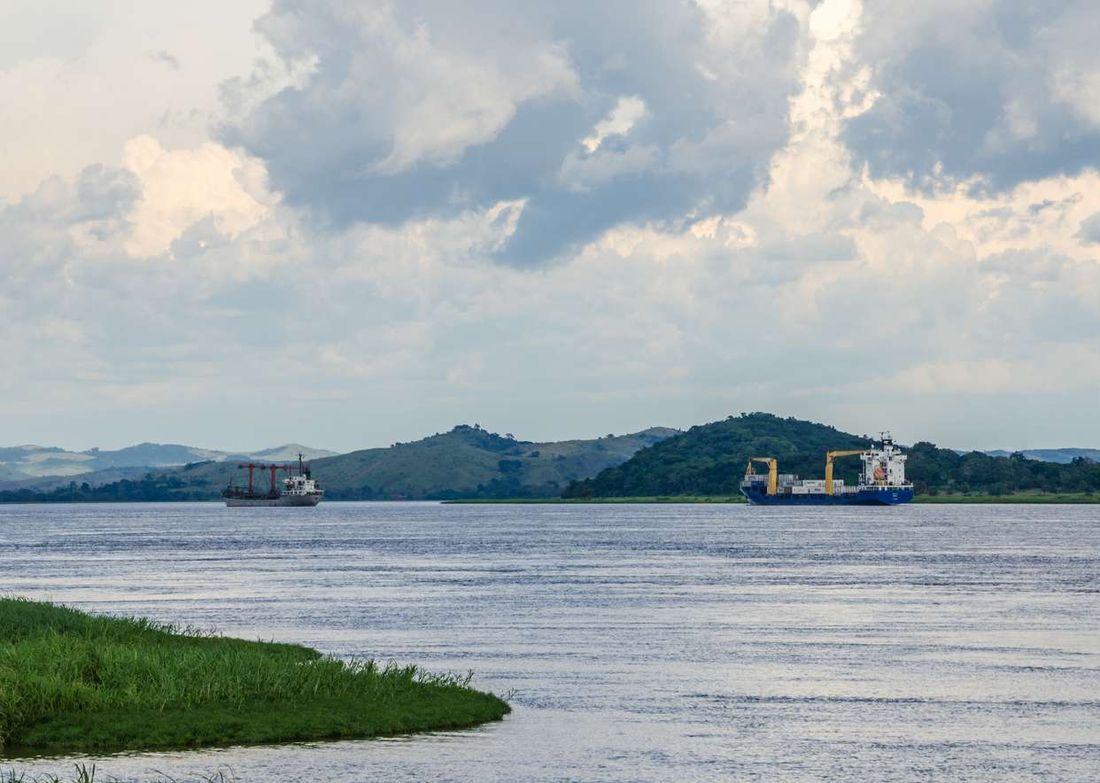 PROFILE 07
DR Congo
Central Africa52 listed field roles · 30 interviewers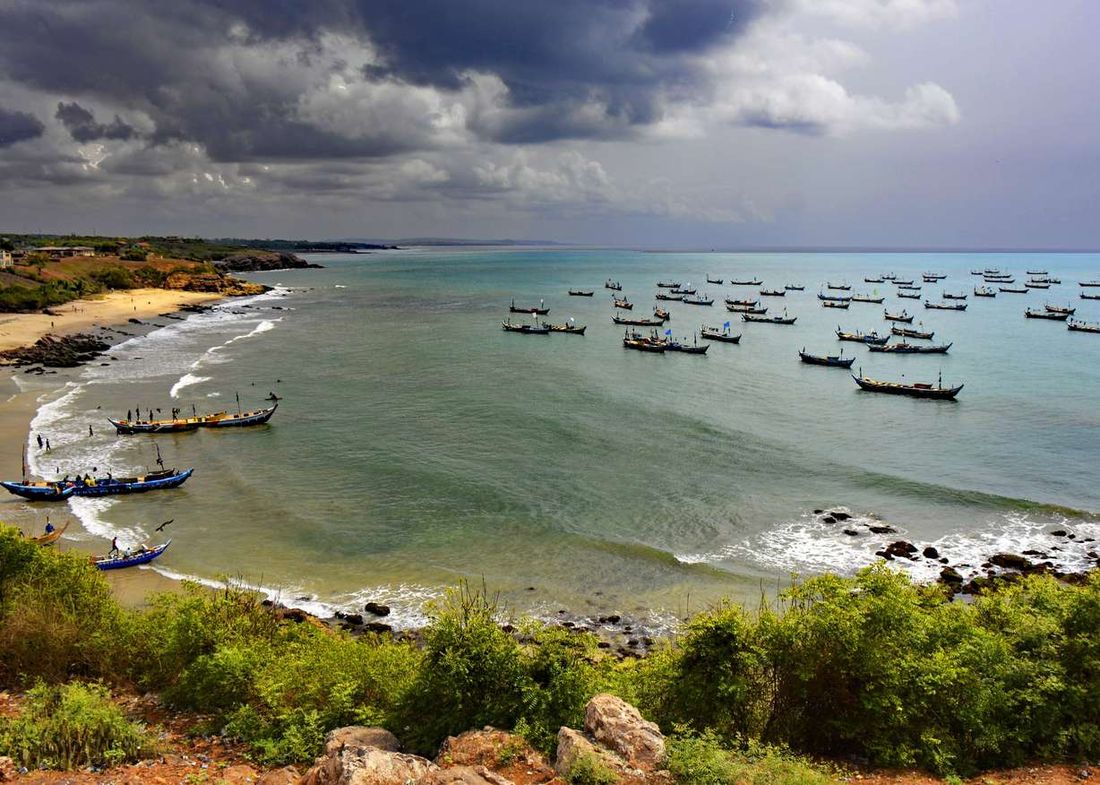 PROFILE 08
Ghana
West Africa64 listed field roles · 45 interviewers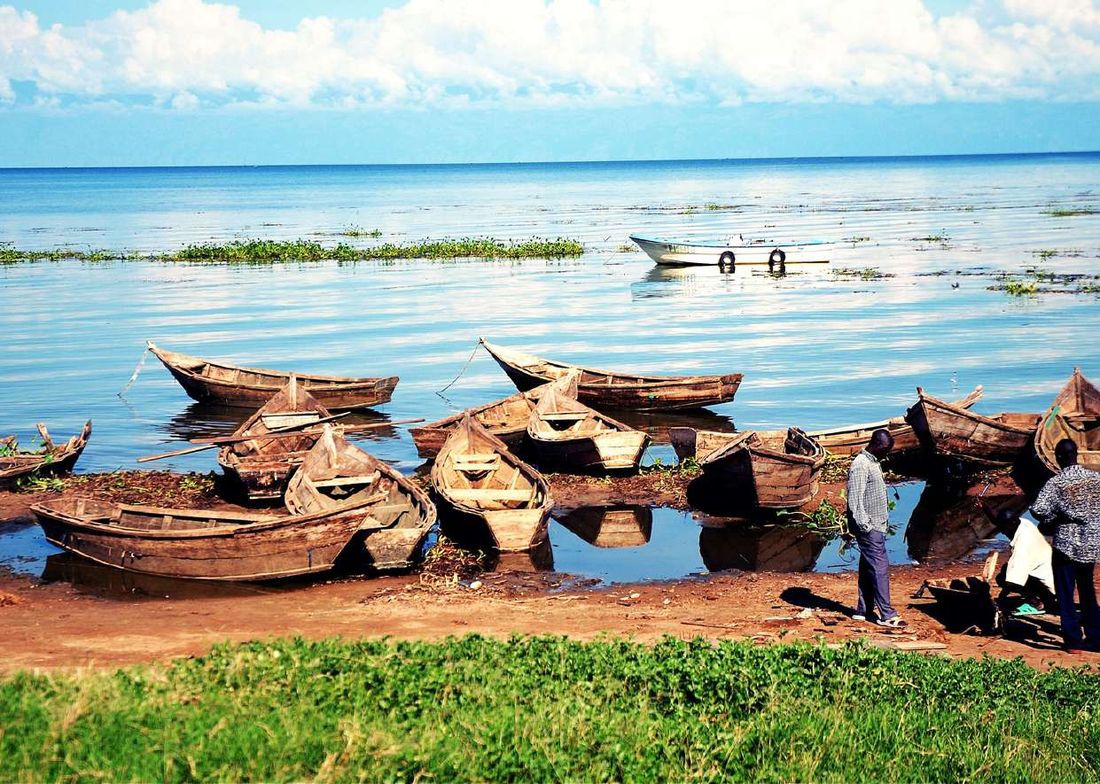 PROFILE 09
Uganda
East Africa62 listed field roles · 30 interviewers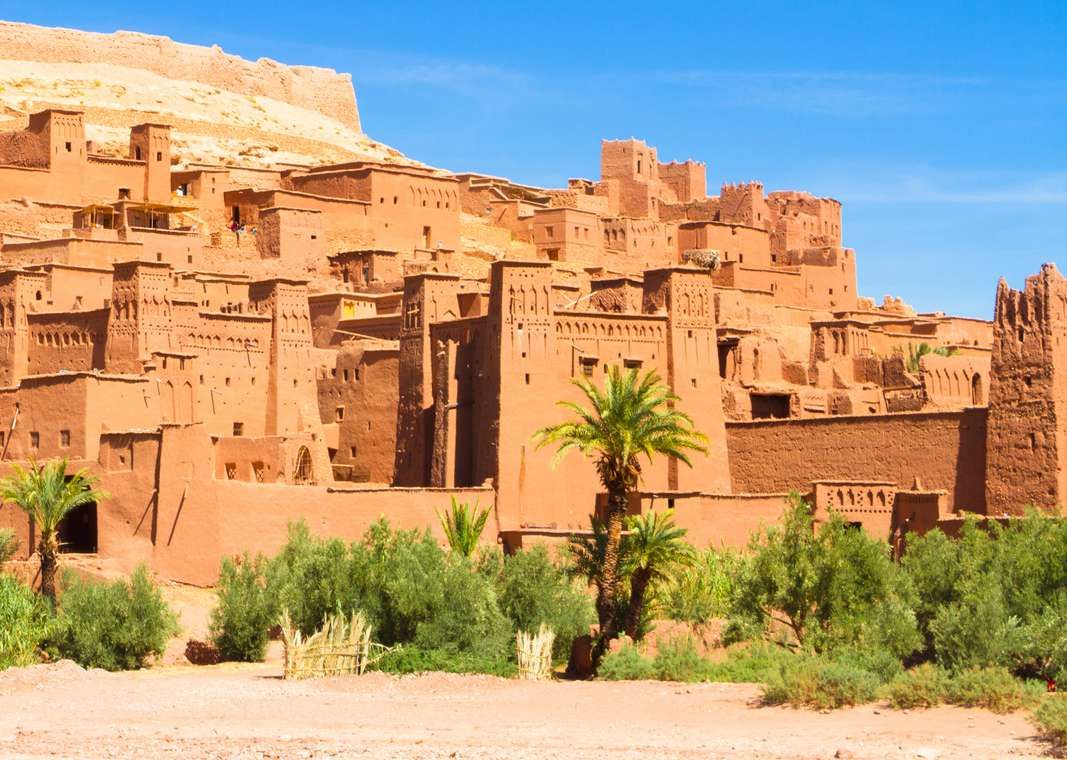 PROFILE 10
Morocco
North Africa45 listed field roles · 26 interviewersMalawi
Southern Africa42 listed field roles · 24 interviewers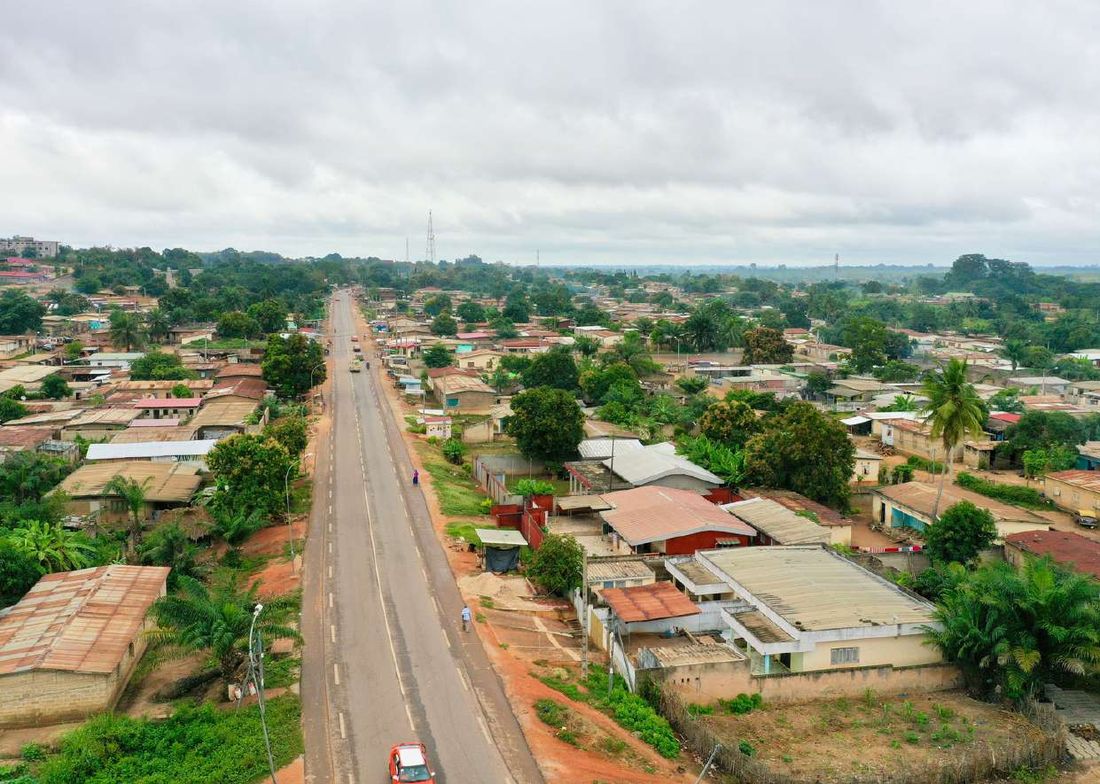 PROFILE 12
Côte d’Ivoire
West Africa45 listed field roles · 28 interviewers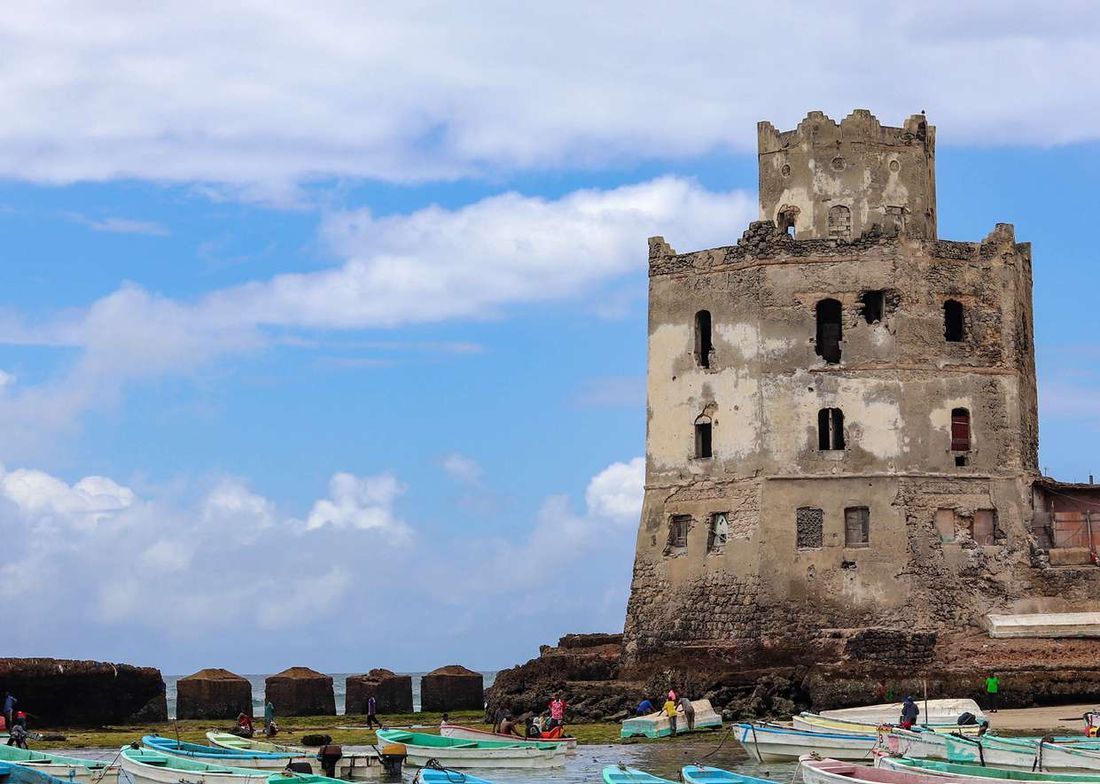 PROFILE 13
Somalia
Horn of Africa52 listed field roles · 30 interviewers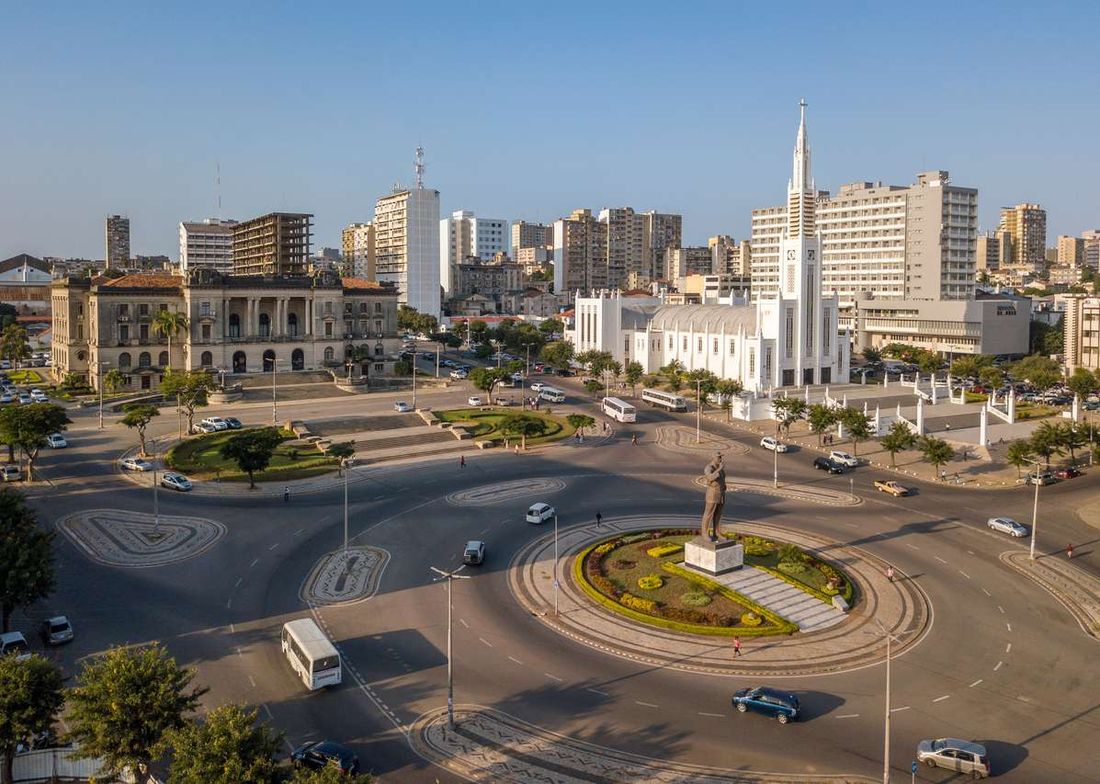 PROFILE 14
Mozambique
Southern Africa59 listed field roles · 38 interviewers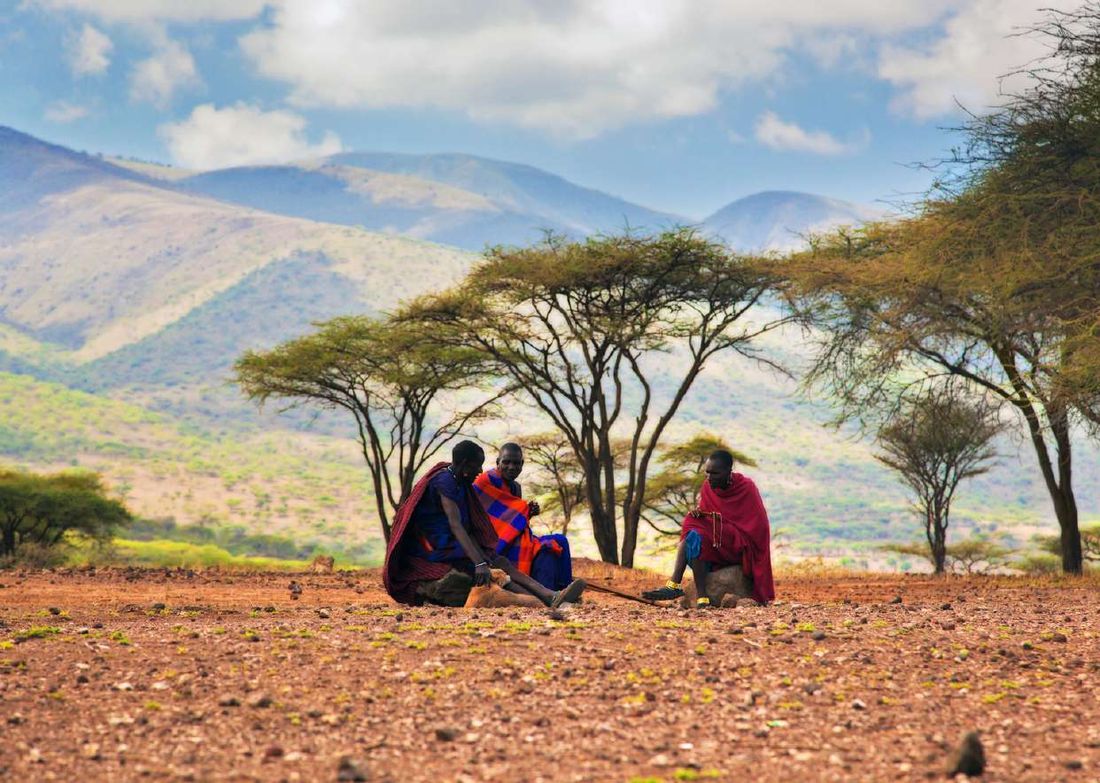 PROFILE 15
Tanzania
East Africa54 listed field roles · 32 interviewers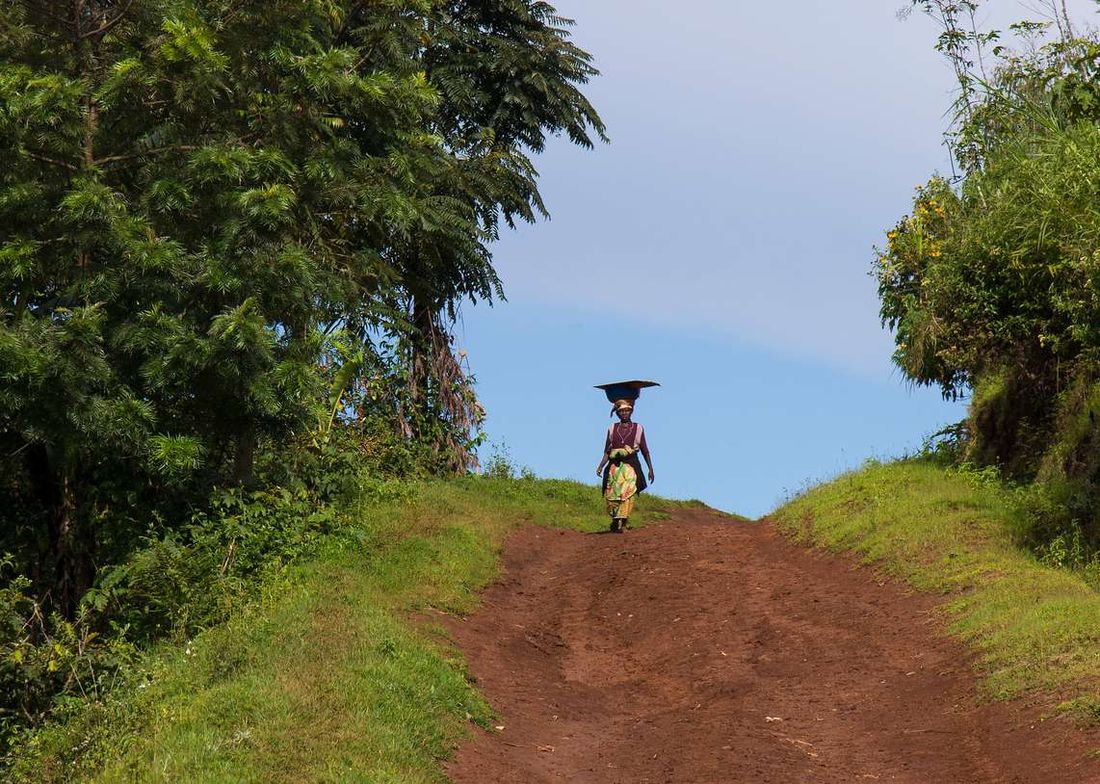 PROFILE 16
Rwanda
East Africa75 listed field roles · 45 interviewersCameroon
Central Africa58 listed field roles · 45 interviewers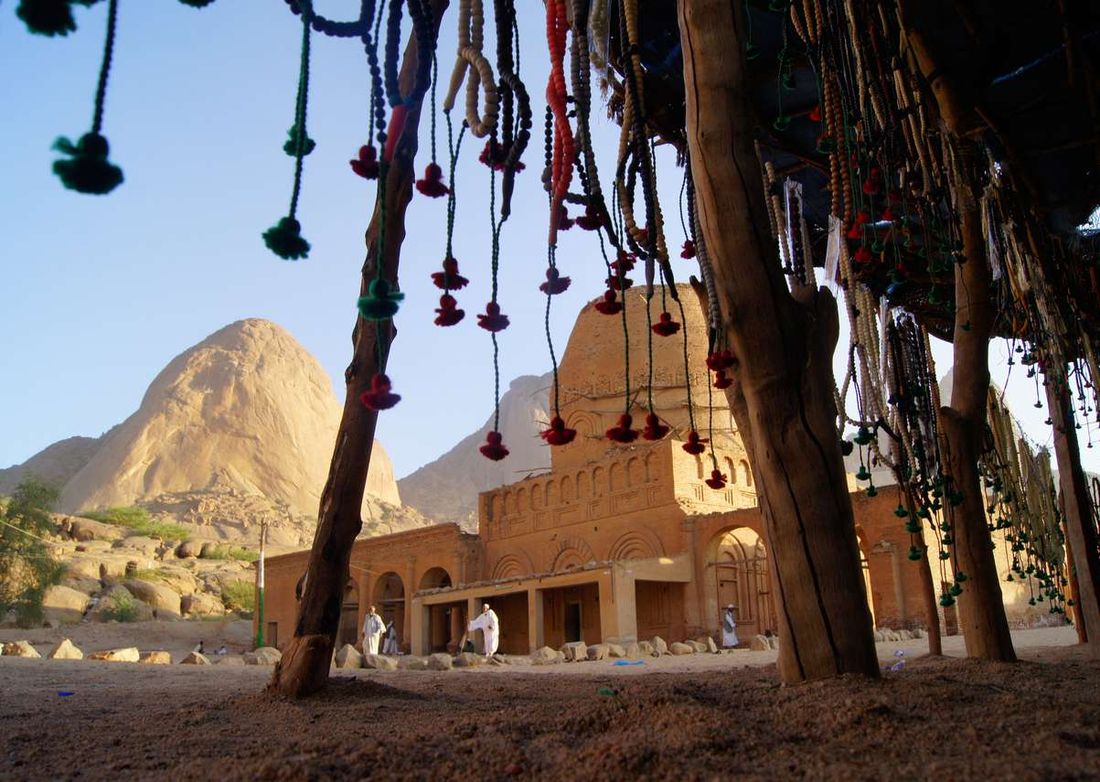 PROFILE 18
Sudan
Northeast Africa38 listed field roles · 28 interviewers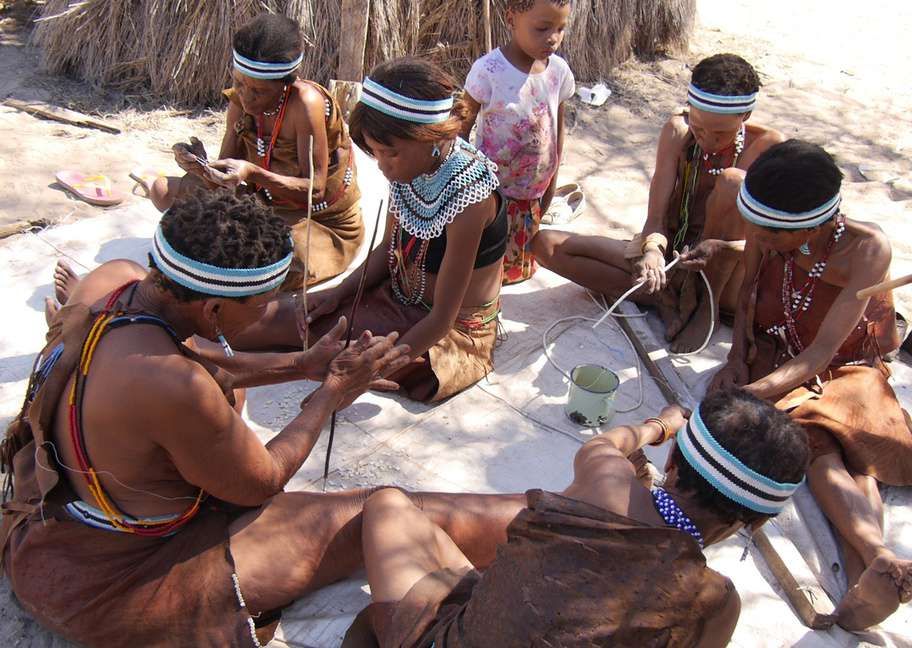 PROFILE 19
Botswana
Southern Africa37 listed field roles · 22 interviewers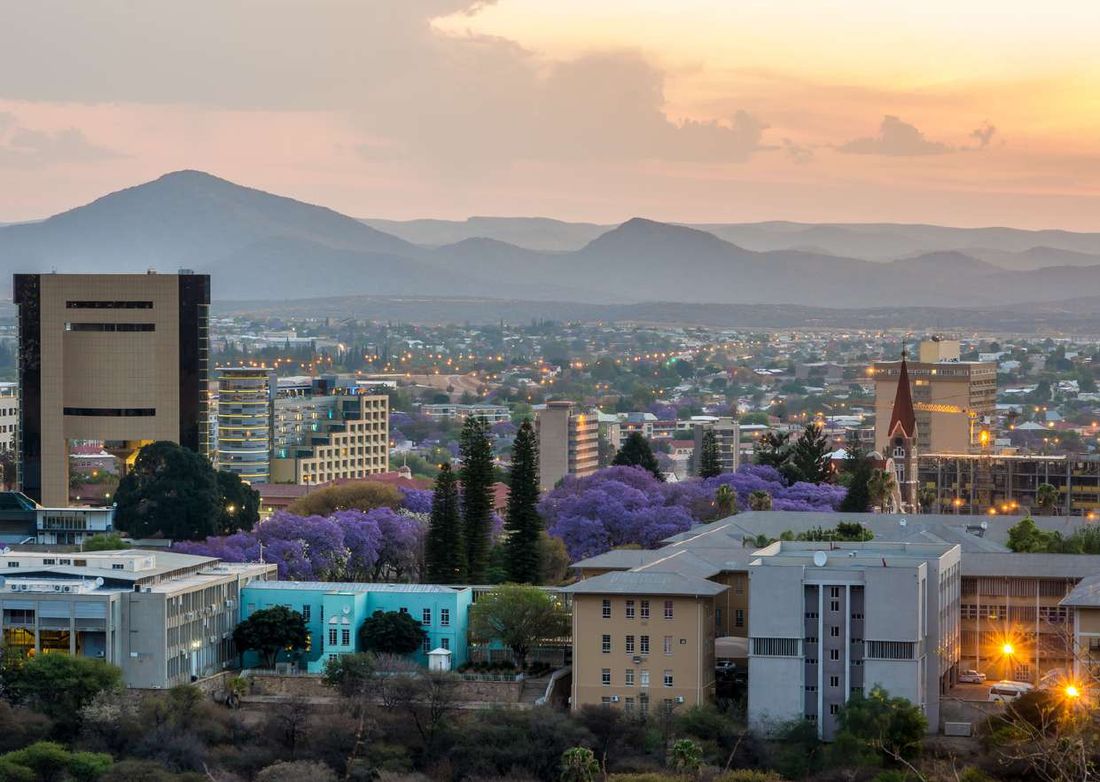 PROFILE 20
Namibia
Southern Africa53 listed field roles · 38 interviewersProfiles show indicative network capacity rather than a guarantee of simultaneous staff availability in every location.
Data Collection Handbook › Kenya
Kenya
Kenya is our regional hub and company headquarters. We manage both qualitative and quantitative studies nationwide through experienced local teams. Our operations cover urban centres and remote rural areas, with field coordination anchored in key cities such as Nairobi, Mombasa, Kisumu and Eldoret. From design to execution, we ensure consistent quality across diverse geographies.
| Personnel category | No. | Role and deployment coverage |
|---|---|---|
| Interviewers | 75 | Fluent in Kiswahili, English, Kikuyu, Luo, Kalenjin, Somali and other regional languages |
| Moderators & note-takers | 10 | Expertise in youth, gender, health and livelihoods research |
| Regional supervisors | 7 | Covering Nairobi, Coast, Rift Valley, Western and Northern regions |
| County-level field coordinators | 3 | Ensuring smooth field logistics |
| Quality-control officers | 5 | Mobile-based back-checks and real-time validation |
Methodologies
- Mixed-mode surveys (CAPI, CATI, CAWI and SMS)
- Multilingual data collection in culturally diverse areas
- Real-time GPS monitoring and digital quality assurance tools
- FGDs, KIIs, participatory mapping and community consultations
- Longitudinal studies and tracker surveys for multi-year programmes
Capabilities
- Nationwide reach with local teams in all regions
- Strong networks in ASAL (arid and semi-arid lands)
- Rapid deployment capacity for emergency data collection
- Access to youth, women, pastoralist and refugee populations
Profiles show indicative network capacity. Final staffing, access and language skills are confirmed for each assignment.
Data Collection Handbook › South Africa
South Africa
We operate across all nine provinces, with strong presence in Johannesburg, Cape Town, Durban and Pretoria, and into peri-urban and rural municipalities in Limpopo, Free State and the Northern Cape. Our teams are experienced in reaching high-density townships, informal settlements, mining communities and remote farming regions.
| Personnel category | No. | Role and deployment coverage |
|---|---|---|
| Interviewers | 48 | Fluent in isiZulu, isiXhosa, Sesotho, Setswana, Afrikaans and English |
| Supervisors | 3 | Provincial supervisors across Gauteng, KwaZulu-Natal, Western Cape and Eastern Cape |
| Field coordinators | 2 | Regional field coordinators managing logistics and fieldwork support |
| Moderators & note-takers | 10 | Skilled in township, youth and service delivery research |
| Quality-control officers | 3 | Data quality officers conducting digital audits and field verification |
Methodologies
- CAPI, CATI, CAWI and hybrid survey models
- Longitudinal tracking and multi-phase evaluations
- Geo-tagging and live data verification via mobile dashboards
- Ethnographic and behavioural studies in urban informal settings
- Focus groups and in-depth interviews across diverse communities
Capabilities
- National reach across metros, townships and rural communities
- Access to informal workers, migrants and marginalised groups
- Established relationships with local partners and civic networks
- Adaptive field protocols for safety and community entry
Profiles show indicative network capacity. Final staffing, access and language skills are confirmed for each assignment.
Data Collection Handbook › Madagascar
Madagascar
Nationwide field and data collection operations covering Antananarivo, Toamasina, Fianarantsoa, Mahajanga, Toliara and remote forested and coastal districts. Our teams are experienced in conducting studies on health, agriculture, environment, conservation and livelihoods, often in collaboration with local NGOs and international partners.
| Personnel category | No. | Role and deployment coverage |
|---|---|---|
| Interviewers | 40 | Fluent in Malagasy, French and regional dialects such as Betsimisaraka and Merina |
| Supervisors | 5 | Zonal supervisors covering the north, central highlands and southern regions |
| Field coordinators | 2 | Regional coordinators supporting logistics in coastal and inland zones |
| Moderators & note-takers | 10 | Trained in community-based and environmental research |
| Quality-control officers | 3 | Mobile-based verification and back-checks |
Methodologies
- Participatory mapping and community feedback forums
- Offline mobile data collection with GPS-tagged interviews
- Household and environmental surveys using CAPI and CATI
- Focus groups in local dialects with rural and coastal populations
- Longitudinal and seasonal monitoring for climate and livelihood studies
Capabilities
- Field coverage across diverse geographies
- Access to remote communities and fishing villages
- Multilingual tools adapted to local cultural contexts
- Research on climate resilience, biodiversity and health systems
Profiles show indicative network capacity. Final staffing, access and language skills are confirmed for each assignment.
Data Collection Handbook › Nigeria
Nigeria
We operate across all six geopolitical zones, with active field presence in Lagos, Abuja, Kano, Maiduguri, Port Harcourt and Enugu, and remote communities in Borno, Niger, Bayelsa and Cross River. We have strong experience in health, education, migration, governance and digital inclusion research, with the flexibility to work in fragile, insecure or high-density environments.
| Personnel category | No. | Role and deployment coverage |
|---|---|---|
| Interviewers | 50 | Fluent in Hausa, Yoruba, Igbo, Pidgin, Kanuri and English |
| Supervisors | 6 | Zonal supervisors covering North West, North East, South West, South East and FCT |
| Field coordinators | 7 | Regional field coordinators supporting large-scale logistics |
| Moderators & note-takers | 12 | Trained in conflict, youth and displacement research |
| Quality-control officers | 4 | Digital back-checks and real-time dashboards |
Methodologies
- Large-scale household surveys using CAPI and CATI
- Mobile-enabled field monitoring with GPS verification
- Mixed-mode research including WhatsApp and online panels
- Longitudinal studies and multi-year tracker surveys across regions
- Focus group discussions and key informant interviews in local dialects
Capabilities
- Experience in post-conflict studies
- Field presence in over 30 states and FCT
- Proven capacity to deploy large teams under tight timelines
- Access to IDPs, refugees, youth and conflict-affected populations
- Established partnerships with local NGOs and development agencies
Profiles show indicative network capacity. Final staffing, access and language skills are confirmed for each assignment.
Data Collection Handbook › Senegal
Senegal
We operate across Dakar, Thiès, Saint-Louis, Ziguinchor, Tambacounda and border towns near Mali and The Gambia. Our reach extends to urban informal areas and remote rural communities. We have experience in migration, remittances, education and youth employment, and our teams regularly engage with religious networks, community radio and local cooperatives to ensure inclusive participation.
| Personnel category | No. | Role and deployment coverage |
|---|---|---|
| Interviewers | 25 | Experienced interviewers fluent in Wolof, French, Pulaar and Serer |
| Supervisors | 4 | National supervisors overseeing the north, centre and south zones |
| Field coordinators | 2 | Regional coordinators supporting district logistics |
| Moderators & note-takers | 8 | Trained in youth, migration and livelihoods research |
| Quality-control officers | 3 | Data quality officers for daily spot-checks and field reviews |
Methodologies
- Digital and face-to-face mixed-mode surveys
- Youth focus groups and participatory interviews
- Enumerator tracking with real-time GPS updates
- Behavioural and perception surveys in local dialects
Capabilities
- Trusted access to religious and youth networks
- Integration with SMS and WhatsApp tools for follow-ups
- Strong experience with diaspora-funded impact evaluations
- Collaboration with local NGOs and community-based groups
- Cross-border research in the Senegal–Gambia and Senegal–Mali zones
Profiles show indicative network capacity. Final staffing, access and language skills are confirmed for each assignment.
Data Collection Handbook › Ethiopia
Ethiopia
Country fieldwork experience includes pastoralist and drought-affected communities, including Afar, with coordination arrangements for Dire Dawa and Mekelle. Geographic coverage, permissions, communication and safety requirements are confirmed for each assignment.
| Personnel category | No. | Role and deployment coverage |
|---|---|---|
| Interviewers | 34 | Fluent in Amharic, Afaan Oromo, Tigrinya, Somali and English |
| Supervisors | 7 | Zonal supervisors managing regions including Addis Ababa, Oromia, Tigray, Amhara and Somali |
| Field coordinators | 5 | Regional field coordinators overseeing logistics and local access |
| Moderators & note-takers | 15 | Trained in humanitarian, education and peacebuilding research |
| Quality-control officers | 5 | Daily back-checks and GPS tracking |
Methodologies
- FGDs and key informant interviews in local languages
- Offline mobile data collection for low-connectivity areas
- Longitudinal tracking and multi-phase impact evaluations
- Large-scale household and school-based surveys using CAPI and CATI
Capabilities
- Experience in refugee-hosting areas and IDP sites
- Strong community entry and local enumerator networks
- Multilingual capacity and cultural sensitivity in diverse regions
- Field access in fragile, conflict-affected and drought-hit regions
- Ability to manage ethically complex and politically sensitive research
Profiles show indicative network capacity. Final staffing, access and language skills are confirmed for each assignment.
Data Collection Handbook › Democratic Republic of the Congo
Democratic Republic of the Congo
Nationwide coverage across Kinshasa, Goma, Bukavu, Lubumbashi, Kisangani and remote conflict-affected provinces including Ituri and North Kivu. We have experience working in IDP camps, mining communities, post-conflict zones and regions with limited infrastructure. Our local teams are trained to navigate insecurity, poor road access and mobile populations while adhering to ethical data collection standards.
| Personnel category | No. | Role and deployment coverage |
|---|---|---|
| Interviewers | 30 | Trained interviewers fluent in French, Lingala, Swahili, Kikongo and Tshiluba |
| Supervisors | 4 | Managing zones across east, west and central DRC |
| Field coordinators | 6 | Provincial field coordinators |
| Moderators & note-takers | 7 | Skilled in conflict-sensitive qualitative work |
| Quality-control officers | 5 | Equipped for mobile verification |
Methodologies
- Remote CATI surveys in insecure regions
- Longitudinal tracking in displacement settings
- Mobile data collection with offline sync capability
- Trauma-informed FGDs and community consultations
Capabilities
- Multilingual teams and culturally adapted tools
- Real-time monitoring even in conflict-prone zones
- Field presence in both stable and high-risk provinces
- Trusted access to displaced populations and returnees
Profiles show indicative network capacity. Final staffing, access and language skills are confirmed for each assignment.
Data Collection Handbook › Ghana
Ghana
Field operations include Accra, Kumasi, Tamale, Takoradi and Bolgatanga, with arrangements for selected rural districts and border communities. Research areas include informal work, youth and women’s economic participation, health, education and social protection.
| Personnel category | No. | Role and deployment coverage |
|---|---|---|
| Interviewers | 45 | Fluent in Twi, Ewe, Ga, Dagbani and English |
| Supervisors | 4 | Zonal supervisors covering Greater Accra, Ashanti, Northern and Volta regions |
| Field coordinators | 5 | Regional coordinators managing logistics across urban and rural zones |
| Moderators & note-takers | 6 | Experienced in youth, livelihoods and health research |
| Quality-control officers | 4 | Mobile-based audits and live field checks |
Methodologies
- CAPI and CATI-based surveys
- FGDs and KIIs conducted in local languages
- Longitudinal trackers and multi-phase evaluations
- Real-time GPS and back-check tools for data validation
- WhatsApp, SMS and online panels for urban youth studies
Capabilities
- Partnerships with CSOs and community-based groups
- High-quality control systems and adaptable field teams
- Urban and rural reach across the southern, middle and northern belts
- Experience in digital finance, health and social protection research
- Access to youth, women entrepreneurs and informal sector workers
Profiles show indicative network capacity. Final staffing, access and language skills are confirmed for each assignment.
Data Collection Handbook › Uganda
Uganda
Our teams are experienced in conducting research in rural and urban settings, informal settlements and humanitarian contexts. We support studies on displacement, education, gender-based violence, youth employment, agriculture and health, often in partnership with government institutions, NGOs and international development agencies.
| Personnel category | No. | Role and deployment coverage |
|---|---|---|
| Interviewers | 30 | Fluent in Luganda, Runyankole, Acholi, Ateso, Luo and English |
| Supervisors | 4 | Regional supervisors across Central, Northern, Western and Eastern Uganda |
| Field coordinators | 6 | District field coordinators ensuring local access and logistics |
| Moderators & note-takers | 17 | Trained in youth, education, gender and livelihoods research |
| Quality-control officers | 5 | Mobile dashboards and field verification tools |
Methodologies
- Qualitative research (FGDs, IDIs)
- Longitudinal tracking and panel studies
- Mobile and remote data collection (CATI)
- GIS-enabled mapping and spatial analysis
- Quantitative face-to-face surveys (CAPI/PAPI)
Capabilities
- Full national coverage with access to refugee settlements
- Experience in post-conflict zones and fragile environments
- Multilingual, culturally sensitive tools for inclusive data collection
Profiles show indicative network capacity. Final staffing, access and language skills are confirmed for each assignment.
Data Collection Handbook › Morocco
Morocco
We operate across key urban centres such as Casablanca, Rabat, Tangier, Fès and Marrakech, and rural areas in the Atlas Mountains, eastern provinces and southern desert zones. We conduct studies on employment, education, urbanisation, social services and cross-border migration, often in collaboration with government partners and civil society groups.
| Personnel category | No. | Role and deployment coverage |
|---|---|---|
| Interviewers | 26 | Fluent in Arabic, French, Tamazight and local dialects |
| Supervisors | 4 | Regional supervisors covering Rabat-Salé, Casablanca, Marrakech and the northern provinces |
| Field coordinators | 5 | Managing both urban and rural logistics |
| Moderators & note-takers | 6 | Trained in gender, youth and migration research |
| Quality-control officers | 4 | Mobile-based checks and real-time oversight |
Methodologies
- CAPI, CATI and hybrid survey approaches in urban and rural contexts
- Longitudinal and seasonal tracking for employment and migration studies
- Focus group discussions and in-depth interviews in Arabic
- Digital tools with GPS tagging and live field monitoring
- WhatsApp-based surveys in high-connectivity zones
Capabilities
- National reach across diverse linguistic and geographic settings
- Experience with cross-border and returnee migration studies
- Access in both formal and informal urban neighbourhoods
- Strong partnerships with local NGOs and youth networks
- Culturally sensitive tools adapted to varying literacy levels
Profiles show indicative network capacity. Final staffing, access and language skills are confirmed for each assignment.
Data Collection Handbook › Malawi
Malawi
Our teams operate across Lilongwe, Blantyre, Mzuzu, Zomba and rural districts along Lake Malawi and the Shire Valley. We have strong access to rural farming households, urban informal settlements and areas affected by flooding or drought, and frequently work with community structures, local NGOs and health outreach programmes to support grassroots-level data collection.
| Personnel category | No. | Role and deployment coverage |
|---|---|---|
| Interviewers | 24 | Experienced interviewers fluent in Chichewa, Tumbuka and English |
| Supervisors | 3 | Covering the northern, central and southern regions |
| Field coordinators | 5 | District field coordinators |
| Moderators & note-takers | 6 | Trained in health and youth research |
| Quality-control officers | 4 | Overseeing field compliance |
Methodologies
- Real-time quality checks via mobile field apps
- Mixed-method designs for programme monitoring
- Enumerator-led interviews and SMS-based follow-up
- Focus groups with women, youth and community leaders
Capabilities
- High-response rural survey implementation
- Local partnerships for cultural navigation and trust
- Field presence across all three regions and 20+ districts
- Access to both subsistence and commercial farming zones
- Experience in flood-prone and climate-vulnerable districts
Profiles show indicative network capacity. Final staffing, access and language skills are confirmed for each assignment.
Data Collection Handbook › Côte d’Ivoire
Côte d’Ivoire
Our field teams operate nationwide across all 14 districts, from Abidjan’s urban centres to cocoa-producing villages in Daloa and San Pedro, mining zones in Katiola, and border regions near Liberia and Mali. We maintain special capability in French, Dyula and Bété multilingual data collection.
| Personnel category | No. | Role and deployment coverage |
|---|---|---|
| Interviewers | 28 | Fluent in French, Dioula, Baoulé, Bété and other local languages |
| Supervisors | 4 | Regional supervisors covering Abidjan, Bouaké, San Pedro and Korhogo |
| Field coordinators | 3 | Zonal field coordinators managing rural and urban operations |
| Moderators & note-takers | 6 | Trained in youth, migration and economic inclusion research |
| Quality-control officers | 4 | Mobile tools for verification and back-checks |
Methodologies
- Longitudinal and migration-focused trackers
- FGDs and KIIs in French and major local languages
- Mobile-enabled data collection with geo-verification
- CAPI and CATI-based surveys across diverse regions
- WhatsApp and SMS-based follow-ups with mobile populations
Capabilities
- Access to youth, returnees and informal sector actors
- Strong local partnerships in NGO and cooperative networks
- Multilingual and culturally adapted tools for inclusive participation
- Proven experience in agriculture, finance, health and migration studies
Profiles show indicative network capacity. Final staffing, access and language skills are confirmed for each assignment.
Data Collection Handbook › Somalia
Somalia
Country fieldwork planning covers major centres including Mogadishu, Hargeisa, Garowe, Kismayo and Bosaso, together with selected rural and displacement-affected locations where access is authorised and safe. Mobilisation is adapted to security conditions, community engagement procedures, local languages and the requirements of each study.
| Personnel category | No. | Role and deployment coverage |
|---|---|---|
| Interviewers | 30 | Assigned with appropriate Somali language skills, including Af-Maxaa or Af-Maay as required, and English/Arabic support for institutional surveys |
| Supervisors | 4 | Regional supervisors across Mogadishu, Puntland, Somaliland and Jubaland |
| Field coordinators | 6 | With access to displacement sites and high-risk zones |
| Moderators & note-takers | 7 | Trained in conflict-sensitive and trauma-informed research |
| Quality-control officers | 5 | Mobile tools for remote monitoring and back-checks |
Methodologies
- CAPI and CATI-based surveys
- Geo-verified mobile data collection with offline sync
- Community consultations and participatory rural methods
- Longitudinal tracking and multi-round humanitarian evaluations
- Focus group discussions and key informant interviews in local dialects
Capabilities
- Culturally adapted tools and multilingual field teams
- Field access in high-risk and displacement-affected areas
- Experience working with refugees and pastoralist populations
- Trusted relationships with local gatekeepers, elders and NGOs
Field languages: teams are selected to match the study population, including Somali varieties (Af-Maxaa and Af-Maay) and English or Arabic where required for institutional interviews.
Profiles show indicative network capacity. Final staffing, access and language skills are confirmed for each assignment.
Data Collection Handbook › Mozambique
Mozambique
We operate across key urban centres such as Maputo, Beira and Nampula, and remote districts affected by cyclones, conflict and displacement, particularly in Cabo Delgado and Zambezia. We conduct data collection on climate resilience, food security, education and recovery programmes in collaboration with humanitarian and development partners.
| Personnel category | No. | Role and deployment coverage |
|---|---|---|
| Interviewers | 38 | Fluent in Portuguese, Emakhuwa, Sena, Changana and other local languages |
| Supervisors | 4 | Regional supervisors across Maputo, Nampula, Sofala and Cabo Delgado |
| Field coordinators | 6 | Managing urban, rural and post-disaster zones |
| Moderators & note-takers | 7 | Expertise in livelihoods, conflict and resettlement research |
| Quality-control officers | 4 | GPS-enabled tools for field validation |
Methodologies
- Longitudinal tracking in data collection studies
- Face-to-face surveys using CAPI in remote and urban zones
- Focus groups and key informant interviews in local dialects
Capabilities
- Field coverage in post-disaster and resettlement areas
- Collaboration with grassroots organisations for outreach
- Risk-sensitive data collection protocols and mobile tools
- Live supervision of fieldwork in low-infrastructure regions
- Returnee tracking and community reintegration assessments
Profiles show indicative network capacity. Final staffing, access and language skills are confirmed for each assignment.
Data Collection Handbook › Tanzania
Tanzania
Fieldwork arrangements cover mainland Tanzania and Zanzibar, including Dar es Salaam, Arusha, Mwanza, Mbeya and Dodoma, alongside rural and coastal districts. Assignments include household and institutional surveys, tracker studies and research on education, agriculture, health and livelihoods. Interviewing, supervision and language matching are planned around the locations and sample of each study.
| Personnel category | No. | Role and deployment coverage |
|---|---|---|
| Interviewers | 32 | Interviewing teams for mainland and Zanzibar assignments; field languages and personnel availability matched to study locations and schedule |
| Supervisors | 4 | Zonal supervisors supporting field activities across mainland Tanzania and Zanzibar |
| Field coordinators | 6 | Regional field coordination and logistics for mainland, rural and island assignments |
| Moderators & note-takers | 7 | For qualitative and livelihood research |
| Quality-control officers | 5 | Data quality and field monitoring, including mobile spot-checks and validation |
Methodologies
- Household surveys and public-service feedback studies using CAPI and CATI
- FGDs, ethnographic interviews and multilingual research tools
- Longitudinal or panel-tracking assignments
- Digital supervision, GPS checks and remote follow-up where appropriate
Capabilities
- Field coordination across mainland Tanzania and Zanzibar
- Work with rural, coastal, island and mobile populations
- Local-language adaptation and respondent engagement
- Assignment-level confirmation of access, staffing and operating conditions
Profiles show indicative network capacity. Final staffing, access and language skills are confirmed for each assignment.
Data Collection Handbook › Rwanda
Rwanda
We operate nationwide across all 30 districts, with strong presence in Kigali, Huye, Musanze, Rubavu and Rusizi. Our teams are experienced in rural agricultural zones, urban settlements and refugee-hosting communities. We support studies on education, youth empowerment, agriculture, gender and governance, often in partnership with local institutions and community-based organisations.
| Personnel category | No. | Role and deployment coverage |
|---|---|---|
| Interviewers | 45 | Fully trained interviewers fluent in Kinyarwanda, English and French |
| Supervisors | 7 | National supervisors covering Kigali and the Northern, Southern, Eastern and Western Provinces |
| Field coordinators | 10 | District-level field coordinators ensuring local access and logistics |
| Moderators & note-takers | 8 | Trained in education, youth and livelihoods research |
| Quality-control officers | 5 | Mobile verification and daily back-checks |
Methodologies
- Mobile tracking and GPS-enabled fieldwork oversight
- FGDs, KIIs and community consultations in Kinyarwanda
- Longitudinal and tracer studies for youth and livelihoods programmes
- CAPI and CATI for household, school-based and business surveys
- Mixed-mode studies combining in-person and phone-based interviews
Capabilities
- Full national coverage with deep access to rural and peri-urban areas
- Proven experience in monitoring, impact evaluation and policy research
- Multilingual data collection tools tailored to low-literacy populations
- Capacity for rapid deployment, even in remote or mountainous regions
Profiles show indicative network capacity. Final staffing, access and language skills are confirmed for each assignment.
Data Collection Handbook › Cameroon
Cameroon
Research360 Africa coordinates Anglophone and Francophone field operations in Cameroon, with country-network coverage in the North-West, South-West, Centre, Littoral and Adamawa. The 2025 Household Resilience and Community Needs Assessment covered eight regions and deployed 60 locally recruited enumerators and 16 supervisors. Country mobilisation combines local-language matching, supervised data collection and central quality review.
| Personnel category | No. | Role and deployment coverage |
|---|---|---|
| Interviewers | 45 | Interviewing teams supporting English- and French-language field operations, with additional language matching by region and study population |
| Regional supervisors | 5 | Supervisory arrangements for Anglophone and Francophone field operations |
| Field coordinators | 4 | Coordination of country deployment, access and field logistics |
| Moderators & note-takers | — | Qualitative interviewers and note-takers mobilised according to assignment needs |
| Quality-control personnel | 4 | Dedicated first-line quality review, spot checks and anomaly follow-up |
Methodologies
- Structured household and community interviews
- CAPI and digital field collection with offline procedures where needed
- English/French questionnaire adaptation and language matching
- Supervision, back-checks, data cleaning and quality-control reporting
- FGDs and KIIs deployed as assignment scope requires
Capabilities
- Reported network for North-West, South-West, Centre, Littoral and Adamawa
- Separate Anglophone and Francophone field management
- 2025 reported deployment across eight regions: 60 enumerators and 16 supervisors
- Project-specific safety and access arrangements in higher-risk locations
- Final staffing, access and language skills confirmed for each study
Profiles show indicative network capacity. Final staffing, access and language skills are confirmed for each assignment.
Data Collection Handbook › Sudan
Sudan
Sudan field operations are planned in consultation with local teams and project partners, with access, safety, permissions and respondent protection assessed for each deployment area. The network supports humanitarian, health, education and livelihoods research using locally appropriate field teams and offline-capable data collection methods where required.
| Personnel category | No. | Role and deployment coverage |
|---|---|---|
| Interviewers | 28 | Recruited for Sudanese Arabic and other area-appropriate languages, with additional language screening according to study locations |
| Supervisors | 4 | National supervisors coordinating across Khartoum, Darfur, South Kordofan and White Nile |
| Field coordinators | 3 | Regional field coordinators with experience in insecure and displacement-prone areas |
| Moderators & note-takers | 2 | Trained in conflict-sensitive and humanitarian research |
| Quality-control officer | 1 | Mobile tools for remote oversight and validation |
Methodologies
- Offline data collection with GPS-tagged quality checks
- Longitudinal tracking in IDP camps and resettlement zones
- CAPI and CATI surveys adapted for volatile and low-connectivity regions
- FGDs and KIIs using trauma-informed and culturally sensitive protocols
- Remote monitoring using mobile dashboards and call-back verifications
Capabilities
- Field access in conflict-affected and displacement-heavy regions
- Strong coordination with local authorities, elders and aid partners
- Multilingual tools adapted to complex cultural and literacy settings
- Reliable team structures for emergency, rapid and recovery-phase studies
- Experience working with refugees, IDPs, returnees and host communities
Field languages: deployments are planned around Sudanese Arabic and location-specific languages including Fur, Masalit, Zaghawa, Beja and relevant Nuba languages, with English where needed.
Profiles show indicative network capacity. Final staffing, access and language skills are confirmed for each assignment.
Data Collection Handbook › Botswana
Botswana
We operate across Gaborone, Francistown, Maun, Serowe and remote districts in the Kalahari and Okavango regions. Our teams are experienced with rural communities, urban townships and hard-to-reach populations, including cross-border settlements and mobile pastoralist groups. We support studies on health, social protection, employment, digital access and climate resilience, with strong local networks and logistics in low-density regions.
| Personnel category | No. | Role and deployment coverage |
|---|---|---|
| Interviewers | 22 | Fluent in Setswana, English and other regional dialects |
| Supervisors | 3 | Field supervisors covering the northern, southern and central districts |
| Field coordinators | 4 | Regional coordinators supporting logistics in rural and urban areas |
| Moderators & note-takers | 5 | Trained in health, youth and livelihoods research |
| Quality-control officers | 3 | Mobile tools for daily verification and tracking |
Methodologies
- Focus group discussions and stakeholder interviews
- CAPI and CATI surveys in urban and rural contexts
- Community mapping and participatory rural appraisals
- GPS-verified mobile data collection for quality assurance
- Longitudinal studies and periodic tracking for national programmes
Capabilities
- National coverage with access to border regions
- Multilingual tools adapted to rural and urban settings
- Experience in low-infrastructure and climate-affected areas
- Trusted networks with local leaders, councils and health workers
- Strong logistical capacity for hard-to-reach and mobile populations
Profiles show indicative network capacity. Final staffing, access and language skills are confirmed for each assignment.
Data Collection Handbook › Namibia
Namibia
Our research footprint spans Windhoek, Swakopmund, Walvis Bay, Rundu, Oshakati and remote desert settlements in the Kunene, Omaheke and Karas regions. We operate in diverse contexts, from informal urban townships and border communities to isolated rural villages and indigenous settlements, with extensive experience in health access, education, social protection, livelihoods and climate resilience among nomadic and marginalised populations.
| Personnel category | No. | Role and deployment coverage |
|---|---|---|
| Interviewers | 38 | Fluent in Oshiwambo, Afrikaans, Otjiherero, Nama and English |
| Supervisors | 5 | Regional supervisors based in Windhoek, Walvis Bay and Oshakati |
| Field coordinators | 2 | Supporting rural and cross-border logistics |
| Moderators & note-takers | 5 | Trained in community-based and social policy research |
| Quality-control officers | 3 | GPS-enabled mobile tools for oversight |
Methodologies
- Focus group discussions
- Key informant interviews
- Mobile-based methodology (SMS)
- Quantitative face-to-face CAPI surveys
- Rural household listing and sampling
- Ethnographic observation and community immersion
Capabilities
- Experience working with marginalised ethnic groups
- Strong collaborations with local NGOs and health centres
- Proven access to remote, cross-border and desert regions
- Multilingual teams with cultural and geographic adaptability
- Reliable data collection even in low-infrastructure areas and with mobile populations
Profiles show indicative network capacity. Final staffing, access and language skills are confirmed for each assignment.
Plan your next data collection with us
Tell us the countries, sample and timelines, and our field team will confirm staffing, access and language coverage for your assignment.
Head office
8th Floor, Western Heights
Westlands, Nairobi, Kenya
projects@research360-africa.com
Office lines
+254 711 820 066
+254 715 813 377